Unlocking Performance: The Ultimate Guide to Fuel Pressure Sensors


In the world of automotive engineering, the fuel pressure sensor plays a crucial role in the efficient operation of modern vehicles. It serves as the eyes and ears of the fuel system, providing vital information to the engine control unit. As vehicles become increasingly sophisticated, understanding how fuel pressure sensors work has become essential for both enthusiasts and professionals alike.
Whether you're a gearhead looking to enhance your engine's performance or a technician aiming to troubleshoot fuel system issues, this guide will delve into everything you need to know about fuel pressure sensors. From their fundamental principles to installation and maintenance tips, we'll unlock the secrets behind this vital component and equip you with the knowledge to optimize your vehicle's performance.
Understanding Fuel Pressure Sensors
Fuel pressure sensors are essential components in modern automotive fuel systems. They monitor the pressure of the fuel supply, ensuring that the engine receives the optimal amount of fuel for efficient combustion. These sensors help maintain the performance and efficiency of the engine by providing real-time data to the engine control unit. When the fuel pressure is too high or too low, it can lead to various performance issues, including reduced fuel efficiency and increased emissions.
The operation of a fuel pressure sensor is based on either strain gauge technology or piezoelectric technology. Strain gauge sensors measure the deformation of a material in response to pressure changes, while piezoelectric sensors generate an electric charge in response to applied pressure. Both types convert physical pressure readings into electrical signals that can be interpreted by the vehicle’s onboard systems. This conversion is crucial for ensuring that engine management systems can adjust fuel delivery appropriately.
Diagnosing issues with fuel pressure sensors is crucial for vehicle maintenance. Common symptoms of a failing fuel pressure sensor include rough idling, stalling, and difficulty starting the engine. Mechanics often use specialized diagnostic tools to read the signals from the sensor and verify if it is functioning correctly. Understanding how these sensors work and their importance in the fuel system can help vehicle owners take proactive steps to maintain their engines and avoid costly repairs.
Importance of Accurate Fuel Measurement
Accurate fuel measurement is crucial for optimizing engine performance and efficiency. A fuel pressure sensor plays a key role in providing real-time data about the fuel system's pressure. When the fuel pressure is within the specified range, the engine can maintain the ideal air-fuel mixture, which is essential for efficient combustion. This leads to better fuel economy and reduced emissions, contributing to a cleaner environment.
Moreover, an accurate fuel pressure reading helps in diagnosing potential issues within the fuel system. If the sensor detects irregular pressure levels, it can indicate problems such as fuel leaks, clogged filters, or failing fuel pumps. Early detection of these issues allows for timely repairs, preventing more severe engine damage and costly repairs. This capability underscores the importance of a well-functioning fuel pressure sensor in maintaining the overall health of the vehicle.
In addition to performance and diagnostics, accurate fuel measurement ensures compliance with regulatory standards. Many regions impose strict emissions regulations that require vehicles to operate within specific thresholds. A reliable fuel pressure sensor aids manufacturers and vehicle owners in meeting these standards by ensuring that the engine operates efficiently. This not only benefits the environment but also enhances the vehicle's resale value by demonstrating responsible ownership and maintenance practices.
Troubleshooting Common Issues
Fuel pressure sensors can encounter a variety of issues that may affect vehicle performance. One common problem is inconsistent fuel pressure readings. This can manifest as fluctuating gauge readings or a check engine light. Often, this inconsistency can be traced back to electrical issues such as corroded connectors, damaged wires, or a faulty ground. Inspecting these components is essential in diagnosing the problem and restoring accurate readings.
Another issue that may arise is the sensor becoming clogged or contaminated. Dirt, debris, or fuel impurities can lead to malfunctioning sensors, resulting in poor engine performance or even stalling. Regular maintenance and replacing fuel filters can help prevent this issue. If the sensor appears dirty, cleaning it or replacing it may be necessary to ensure the proper functioning of the fuel system.
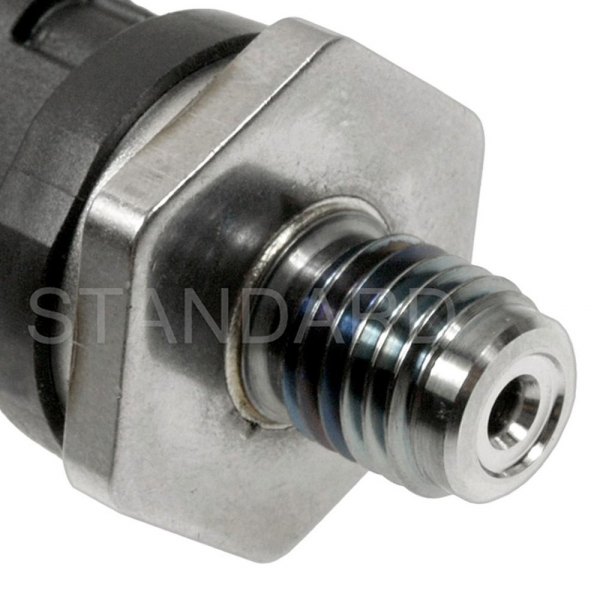
Lastly, a failing fuel pressure sensor may cause the engine to run rich or lean, which affects overall performance and fuel efficiency. Symptoms can include rough idling, increased fuel consumption, or a noticeable decrease in power. If these symptoms are present, it's crucial to test the sensor using a multimeter or diagnostic equipment to determine its condition. Replacing a faulty sensor will help restore optimal fuel delivery and improve engine performance.